

News, ideas & inspiration from industry leaders
What We Learned at The Network Live 2025, Part I
December 17, 2025, The Association
Join us for a series that shares high-level takeaways from the talks that had the room buzzing
Every leader in animal welfare knows this truth: the work moves fast, the stakes run high, and every situation comes with a built-in level of layered complexity. But at The Network Live, held the day before The Annual Conference in November, we hit the pause button long enough to ask a different set of questions:
- Who are we becoming as leaders?
- How are we preparing the next generation?
- How can we strengthen our people, our communication, and our impact?
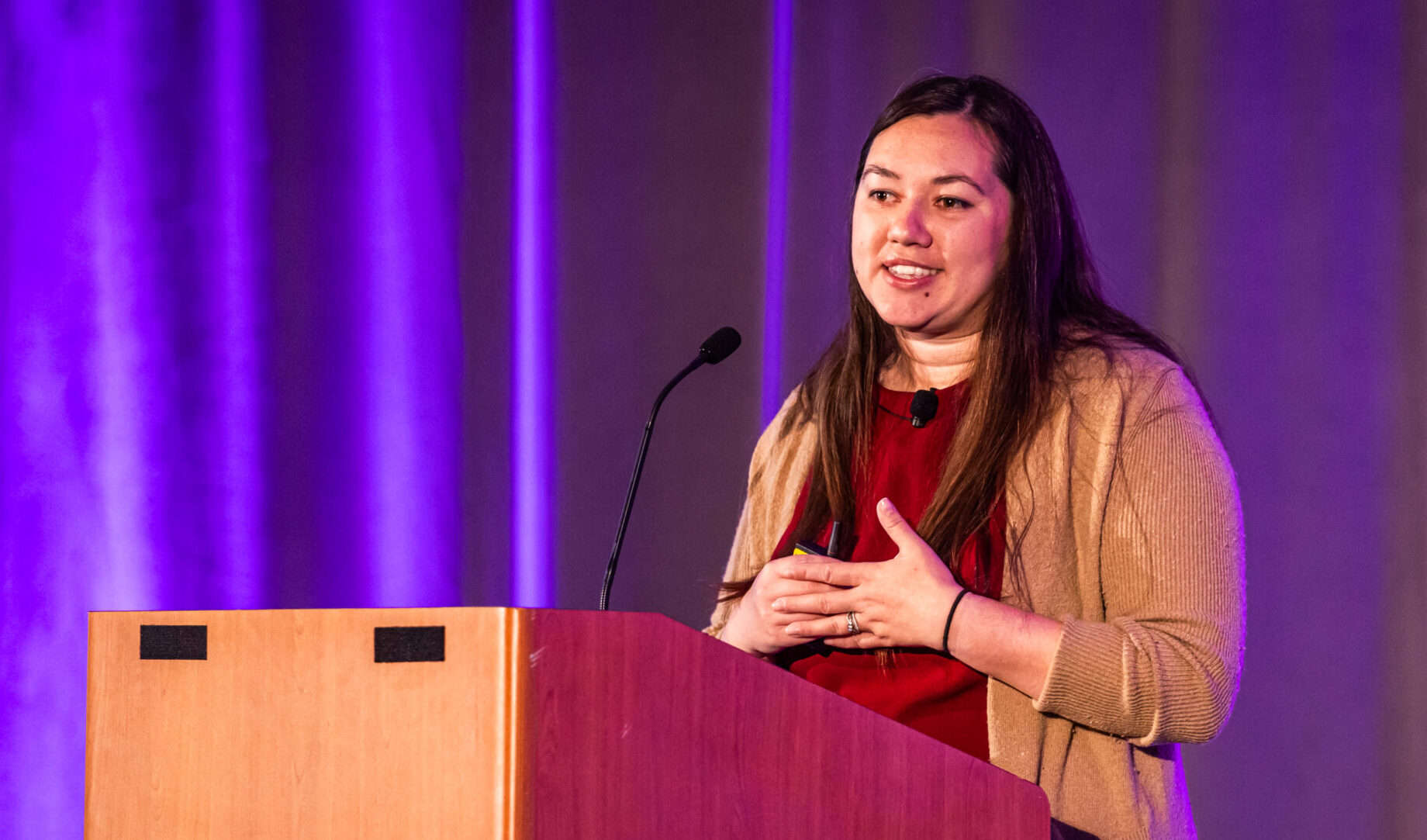
This year’s speakers took us right into the heart of those questions, and they didn’t shy away from honesty, challenge, or vulnerability. This blog series offers an overview of top takeaways from each of the sessions. Part I kicks off with Lily Yap, Executive Director at Stanislaus Animal Services Agency, who drew on her experience as both a mentee and a mentor to explore a future that values experience without clinging to it.
The Space Between: Rethinking the Leadership Leap
Emerging leadership isn’t always obvious, and it doesn’t always look the way we expect it to. Lily Yap has thought quite a bit about this, and named something many leaders in the room had also thought about and most certainly felt, but never clearly articulated:
The different ways emerging leaders show up long before they ever step into formal leadership roles.
Using an engaging metaphor inspired by her cats, Yap introduced three archetypes every organization already has in the room.
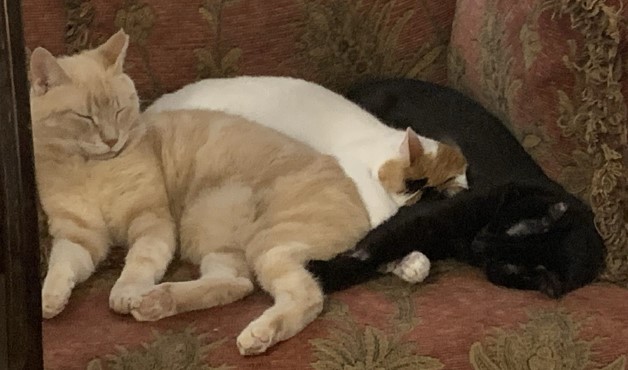
1. David — The Thinker (The Hesitant Leader)
David is the thoughtful teammate who demonstrates potential every single day, but hesitates before taking the next leap. Thinkers like David are known for important skills and traits:
- They ask great questions
- They’re observant
- They’re reliable
- They’re already a go-to person in the team
But they also quietly wonder: “Am I really ready for leadership?”
What they need: Encouragement, reassurance, and opportunities that help them see the leader the rest of the team already sees.
2. Devri — The Do-er
This archetype is the person who jumps in headfirst — the one who moves quickly enough to steady the ship when everything is chaotic. Lily calls this type “the do-er.” Do-ers execute. They deliver. They act.
But leadership requires more than getting things done. So Devri needs help developing:
- Delegation skills
- Strategic thinking
- The ability to guide, not just grind.
3. Tiny Kitten — The Untapped Potential
Tiny Kitten is the emerging leader who is “overlooked, underestimated, under-resourced,” the teammate who quietly takes everything in.
- Tiny Kittens aren’t loud.
- They aren’t first to volunteer.
- They aren’t the obvious choice.
But they are paying attention — and they’re waiting for the right invitation.
What they need: visibility, intentional mentorship, and chances to try (and be allowed to fail) in a safe space.
Yap’s challenge to the room was simple but profound: Learn to recognize these archetypes in your staff — and lead them differently.
That means slowing down long enough to notice the Davids, support the Devris, and encourage the Tiny Kittens out of the shadows and into the light. Leadership isn’t one-size-fits-all, and Yap gave us a framework for leading with more curiosity, discernment, and compassion.
Can you see any of these archetypes among your team members? What can you do to support them?

About The Association
The Association for Animal Welfare Advancement is a cohort of leaders on a mission to champion, advance, and unify the animal welfare profession.
Leave a Reply
Search The Association Blog
Contribute to The Blog


This is a great article and love the opportunity. Can we contact Lily to do specific workshops for Animal Orgs and staff. We are from Ontario Canada. The Hamilton Burlington SPCA http://www.hbspca.com
And there are those who is the one who creates a positive vision, sees the goals, sees where areas and others are lacking, guides, delegates responding and wisely, while able to lead by example by working alongside for example, volunteers as well alongside management to be the bridge between the two worlds.
I know this leader. Problem is, that the shelter organization where I volunteer is mixed with people who are not, they lack vision and keep within “ their lane” or simply do not have the drive or capacity to go beyond the status quo and habits.