

News, ideas & inspiration from industry leaders
How Animal Welfare Organizations Can Finish 2025 Strong…
October 21, 2025, Dustin Riddle
…and thrive in 2026
As we prepare for The Annual Conference in Atlanta in a few weeks, this is a terrific moment to dig into what’s working—and where we need to push harder—in animal welfare fundraising. We’ll be there to talk fundraising and marketing, and here’s some food for thought in the meantime.
RKD Group’s 2025 Animal Care Mid-Year Benchmark draws data from 80 animal welfare organizations and more than 700,000 donors through June 30 of this year. The report gives us fresh insights as we head into year-end giving season and 2026.
Let’s walk through the key trends and, more importantly, what you can do now to ride the momentum into a strong close to the year.
Mid-year insights: What the data is telling us
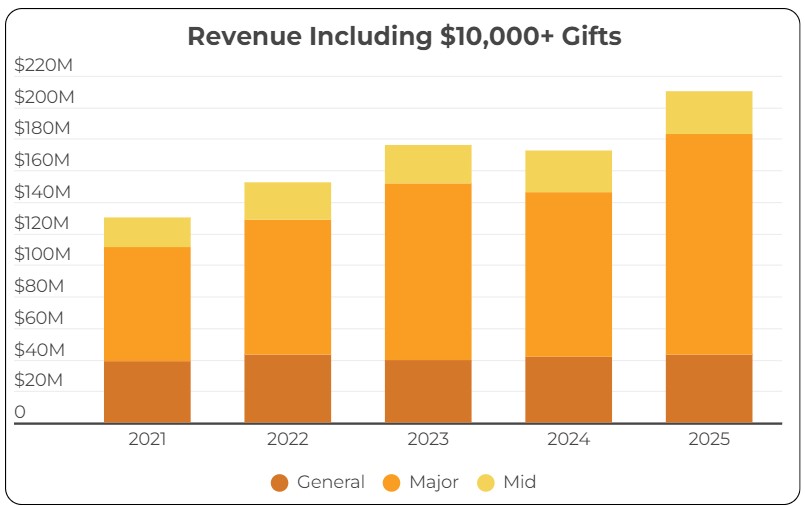
Overall, revenue is up by 4.5% for gifts under $10,000. When we include major gifts, revenue jumps to 22% year over year.
One insight stands out immediately: Gift frequency is rising more sharply in animal care than in any other nonprofit subsector we tracked at RKD. This is largely due to the growth in monthly (sustainer) giving.
But the story isn’t all sunshine. This benchmark also signals ongoing pressure in donor acquisition. Like most of the nonprofit sector, animal welfare organizations face the same long-term declines in active donor counts even as revenue and value per donor push upward.
Because sustaining donors tend to have much higher retention than non-sustainers, the growth of this channel can help stabilize file health over the long term. But that doesn’t mean that we give up on looking for new donors.
In short: the mid-year data suggests we’re in a transition phase—fewer donors, more reliance on loyal donors, and a mounting urgency to fortify retention.
3 strategies for momentum into 2026
If you take one thing away from this blog, let it be this: You can’t wait to act. Year-end and the first half of 2026 demand a proactive strategy, not reactive scrambling. Right now is the time of year to focus your outreach on your major donors as well as mid-level donors.
Based on the benchmark, here are three actionable playbooks:
1. Prioritize and deepen core donor retention
Your core donors (those who’ve given for two or more years) are your safety net. Yet the benchmarks show that retention among this group has slipped over recent years.
Here are a few tactics you should consider:
- Bi-weekly or monthly thank-you emails highlighting adoption and medical stories that show the impact of their gifts; CEO video updates; monthly postcards to new and reactivated donors; and annual anniversary postcards and quarterly impact reporting across channels
- Stewardship calls, video thank yous, alerts about large rescue cases and even handwritten notes will help reinforce connection
- During year-end, wrap in renewal appeals or upgrade asks that reference the individual donor’s history and impact
2. Lean into acquisition by response, not just volume
With donor counts under pressure, random “spray and pray” campaigns are less effective. Instead, let data modeling guide you:
- Test smaller segments prioritized by expected response (e.g. lapsed donors, mid-level prospects, event attendees, adopters of longer than three years, lookalike audiences)
- Try different creative approaches and sets of suggested gift amounts to learn what resonates most with your audience
- Reserve one or two acquisition pushes at year-end that target high-value prospects
3. Accelerate your sustainer pipeline
Monthly giving is no longer a “nice to have.” As I noted above, the benchmark shows a rising tide in sustainers that’s helping fuel gift-frequency growth. Here are some ideas to build a stronger sustainer program:
- Target new donors at a certain threshold ($25–$50) with a sustainer opt-in ask
- Reach into your lapsed pool with appeals that invite reactivation via a monthly gift
- Promote flexible monthly options (e.g. “$5 per month to care for a kennel” or “$10 per month for critical treatment”). Make it approachable.
Because sustainers generally have better retention, investing here helps you protect file health just when attrition and acquisition headwinds are strongest.
Looking ahead to 2026: Plan with the trends in mind
As you sketch your blueprint for 2026, let the mid-year data guide your priorities:
- Model multiple scenarios with assumptions around retention, acquisition and sustainer growth
- Design consistent sustainer promotion (not just during year-end) as part of your “always on” plan
- Budget for acquisition tests and creative experimentation—your long-term file health depends on it
Final thoughts
The mid-year benchmark gives us reason to feel cautiously optimistic.
We see growth in donor engagement, momentum in recurring giving and no shortage of opportunity to course-correct in file health. Use year-end wisely—not just to raise dollars, but to strengthen your connections, experiment intentionally and layer in sustainable growth.
I can’t wait to see everyone in Atlanta next month. Bring your questions, your challenges and your best ideas. I’d love to brainstorm with you.
Let’s help one another finish 2025 strong and launch 2026 with clarity and purpose.
Learn More
The Elephant In the Room
Don’t Let Inflation Slow You Down
Animal Welfare Benchmarks: Donor value reaches new heights
It’s Time to Shift the Mindset

About Dustin Riddle
Dustin brings more than a decade of nonprofit experience to his role as Senior Vice President of Client Partnership at RKD Group, leading the Animal Care team and guiding clients through this ever-changing fundraising and marketing landscape. He has worked for more than 13 years in the nonprofit space on an array of clients from animal welfare, cancer research, rescue missions and food banks. Dustin made the switch to nonprofit marketing in 2012, from working on for-profit clients in the financial and retail space, most notably Home Depot.
Search The Association Blog
Contribute to The Blog