
News, ideas & inspiration from industry leaders
Everyone Has a Role
April 19, 2026, BJ Andersen, CAWA
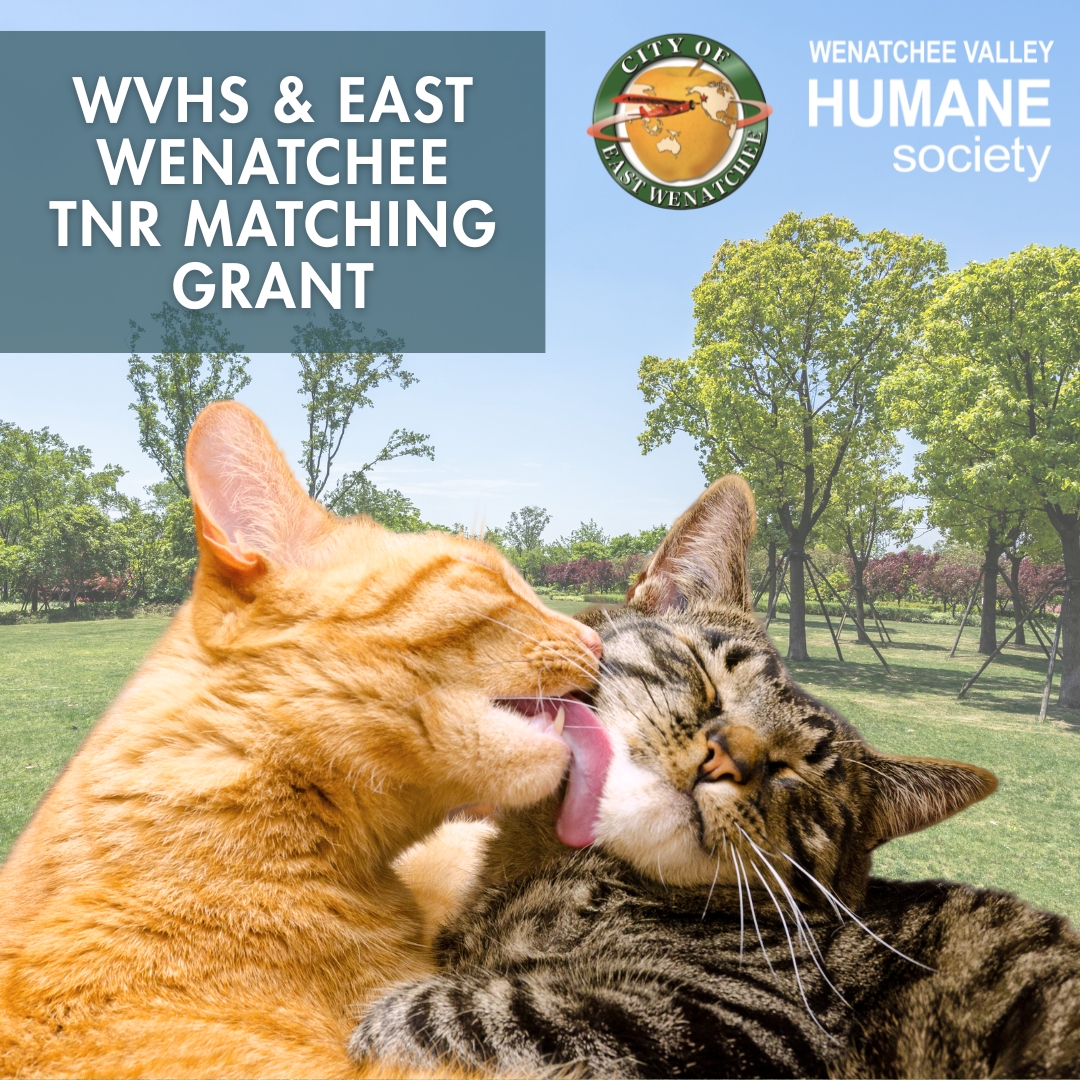
Wenatchee Valley Humane Society’s ED & CEO unpacks the success of their new matching grant program offering free TNR for community cats

When I started at Wenatchee Valley Humane Society, it quickly became clear that community cats were one of the biggest gaps in our area. We have a clinic, but we were understaffed, caretakers often couldn’t afford surgeries on their own, and our budget definitely didn’t allow us to offer surgeries for free. At the same time, we were seeing serious disease issues like panleukopenia and ringworm, and I was hearing regularly from county and city leaders that free-roaming cats were a common concern in the community.
How It Started
It felt obvious that this wasn’t something any one group was going to solve alone. I started looking for funding that would let us build a real partnership model, where we could match support from cities and small towns to help cover surgery costs. With support from a local foundation, an individual donor, and an ASPCA grant, we were able to get the program off the ground. From there, I started reaching out to mayors, attending city council meetings, and sharing data, FAQs, and proposal materials to help local leaders feel informed and confident about participating.
The City of East Wenatchee was the first to jump in with $2,500, and we matched that with another $2,500, which funds 100 surgeries. We all know 100 cats is not going to solve the issue overnight, but it’s a meaningful start and, more importantly, the beginning of a long-term management approach.
How It’s Going
Already we are seeing the program’s impact. In the last month, we have provided TNR services to 30 cats from East Wenatchee, and the response has been really encouraging. We’ve also had some great positive press for both the humane society and the city, which has helped build momentum. On top of that, a local donor stepped up with matching funds for cats outside the city limits, which has given us even more flexibility to help. Best of all, two more cities are now choosing to join the program.
Now You Try It
For other agencies interested in a similar program, my biggest advice would be to treat community cats as a shared community issue and build your program from that mindset. Free-roaming cats live in this space where they’re not really covered under companion animal systems, but they’re not wildlife either, so the responsibility can get very blurry very quickly. What worked for us was creating a model where everyone has a role: the humane society and municipalities help fund the surgeries, community members do the trapping and transport, and we provide the TNR services and support.
It has also made a huge difference to have one staff person serving as the point of contact for all things TNR, from trap rentals and trapping advice to clinic scheduling, feeding guidance, and even neighbor disputes. We’re certainly not an organization with unlimited resources, but community cats were such a core issue in our area that we chose to make it a priority. I’d encourage other agencies to start with the real needs in their community, gather good data, and make the proposal as practical and collaborative as possible. Even a modest initial program can build trust and open the door to bigger community support.
Community cats can be overwhelming because the problem is so visible, but shared responsibility is what makes progress possible.

About BJ Andersen, CAWA
As an experienced leader with a proven track record in non-profit management, BJ Andersen is dedicated to making a meaningful impact in the communities she serves. Throughout her career, she has successfully managed and executed numerous programs that have led to significant advancements in animal welfare and program development. Her ability to build and strengthen community collaborations has resulted in lasting partnerships and increased support from donors, staff, and volunteers.
Leave a Reply
Search The Association Blog
Contribute to The Blog

Thank you so much for starting a Community Cat Program. I can’t wait to see how it grows and expands! It is so important to include access to s/n for owned cats in the same target area.
Thank you so much, Stacy! We’re really excited to see the momentum building already, and completely agree that accessible spay/neuter resources across the community are such an important part of long-term success. It’s been encouraging to see so many people and partners wanting to be part of the solution.
It sounds like a truly exciting program, BJ. Like Stacy, I can’t wait to see how it grows and it expands, especially into other areas. I’d be interested in learning more for our area here in Central Alabama. If you see this, I hope you get in contact with me. In the meantime, I’m going to send you an email and see if we can’t connect.
Thank you so much for sharing this, Bj! We love seeing members connect over ideas like this, and it’s exciting to hear that the program is already inspiring conversations in other communities. I’ll make sure BJ Andersen sees your comment and has your contact information. Wishing you both the best as you continue the conversation!
I love this idea. BJ Adkins linked me to this article after a discussion on Maddie’s Forum. I immediately contacted our City Manager with a similar proposal. She thinks this is something we can do. I have to present the proposal to the City Council on 5/25/26. I’d appreciate any advice or research you could refer me to that helped you achieve getting the cooperation of others.
Thank you so much for sharing this, Amy! It’s incredibly exciting to hear that this sparked a conversation in your own community so quickly. Best of luck with your City Council presentation on the 25th — we’ll definitely make sure BJ Andersen sees your comment and request for advice/resources. Please keep us posted on how it goes. We’d love to hear how the conversation develops in your area!