
News, ideas & inspiration from industry leaders

The Importance of Rest in Mission-Based Work
October 7, 2026, Lindsay Hamrick
This longtime animal welfare professional makes a case for a real sabbatical system—one that helps staff reset after years of hard work, giving them the space to lean into other parts of their lives
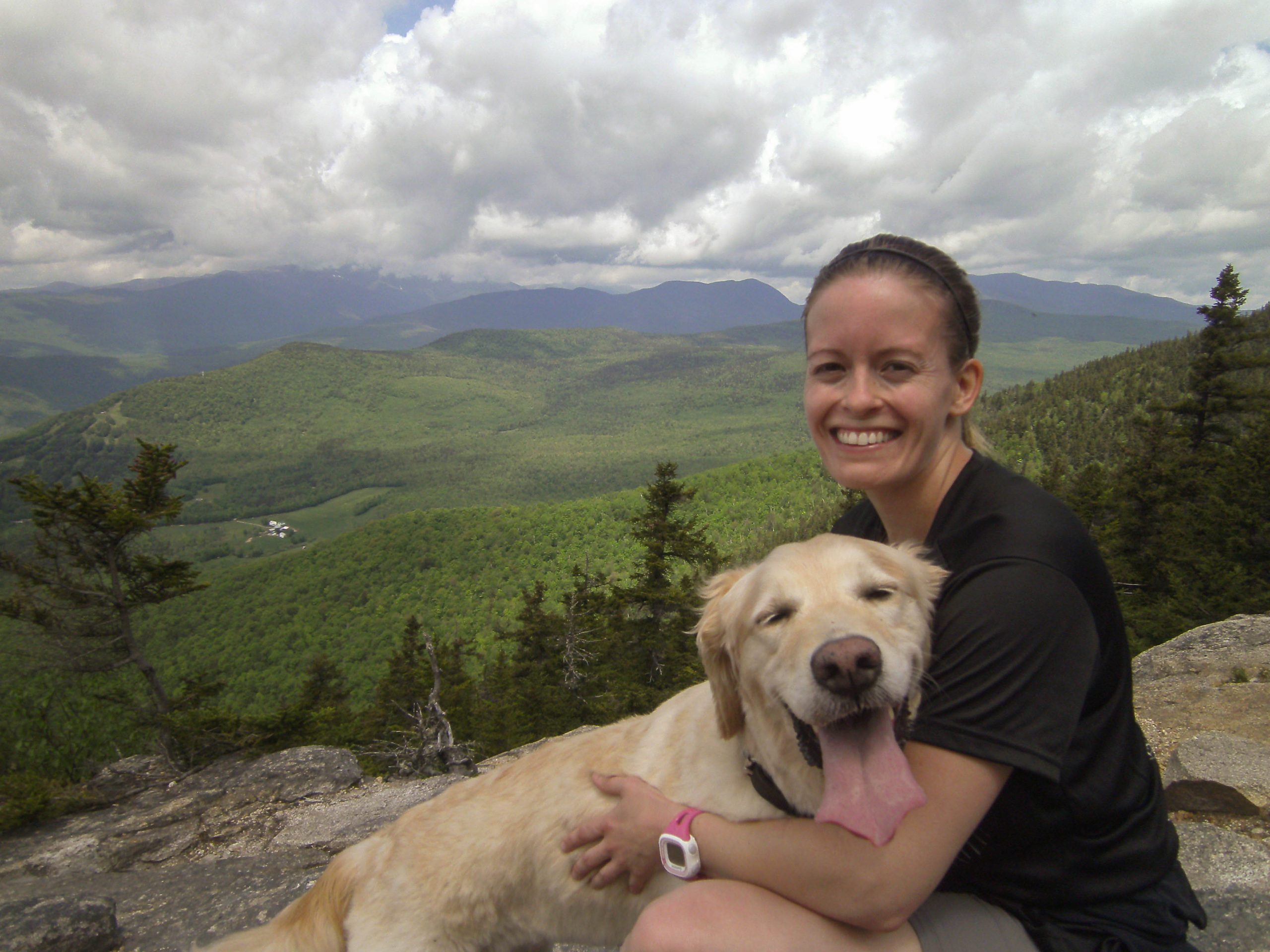
Earlier this year, I was generously offered the role of President & CEO for New Hampshire SPCA. I had spoken extensively about my commitment to work-life balance during the hiring process and felt confident that the organization worked hard to treat staff as whole people with human (not machine) capacity and robust personal lives. As we discussed a start date, I was given six weeks between my former and current roles, giving me an opportunity to take the first real break from animal welfare that I’d had in over a decade.
While moving from one role to the next without time in between may be necessary for financial reasons or because people feel pressure to start new roles as soon as possible, it has always struck me as a missed opportunity for rest. Other than retirement, there is no other time when we can take weeks away from the mission and not have to return to a ton of work. When you’re not working for anyone, there are no emails waiting for you and no meetings scheduled to “catch up” on everything you missed while you were away. This provides a space – if you let it – where your brain and body can finally pause. While I was excited about this new role, I tried hard not to think too much about it over those six weeks. Instead, I focused my energy on myself, my family and friends, and spending as much time in nature as possible.
But of course, not everyone can take a gap between jobs. Or they may be at the same organization for decades and their only rest is the occasional weeklong vacation. This is where true sabbaticals can be lifechanging. According to Wikipedia, a sabbatical is “a rest or break from work” and an “extended period of time intentionally spent on something that’s not your routine job.” Note that a sabbatical is not meant to be a time where you learn new things in service to animal welfare, or when you finally catch up on all the professional development or tasks that have been backlogged for months or years. Instead, true sabbaticals are about putting back into balance the other parts of our lives. You don’t need to take a sabbatical so that it “makes you more resilient at the shelter” and you don’t need to take your paid time off because “the animals need you to stay in this work.”
I am hopeful for a future where we can step away and the staff, the animals, and our communities don’t feel the impact. A real sabbatical system creates resilience in an organization, and it encourages cross training and a staffing structure that anticipates that people will need rest. It helps staff reset after years of hard work and gives them the space to lean into the other parts of their lives. The organizations that are piloting these programs are setting the foundation for it to become the norm. If that sound likes your organization, please leave a comment and share your experience.
In the meantime, and if it helps, know that I don’t take vacations to be better at my work or to have more energy to bring back to the mission. And I don’t want sabbaticals so I can learn a new professional skill. I’ve dedicated over twenty years of my life to animal welfare and intend to give even more. That feels like plenty of hours of my precious life, which means that any time away is simply…for me.
Author’s note: Gap years and time between roles are only possible when people have economic support. Paying staff a liveable wage, having a healthy paid time off program, and considering paid sabbaticals are critical to this conversation.

About Lindsay Hamrick
Lindsay Hamrick is the President & CEO of New Hampshire SPCA. She has spent two decades advancing companion animal welfare at the local, state, and national levels
Search The Association Blog
Contribute to The Blog