

News, ideas & inspiration from industry leaders
Return to Home Is A Leadership Strategy
July 20, 2026, Katherine M. Shenar
It almost happened to me, and in that moment I understood fully that when you lose your pet, you want reunification fast. And that when we elevate Return to Home to a leadership strategy, we build systems that serve animals, families, and staff alike
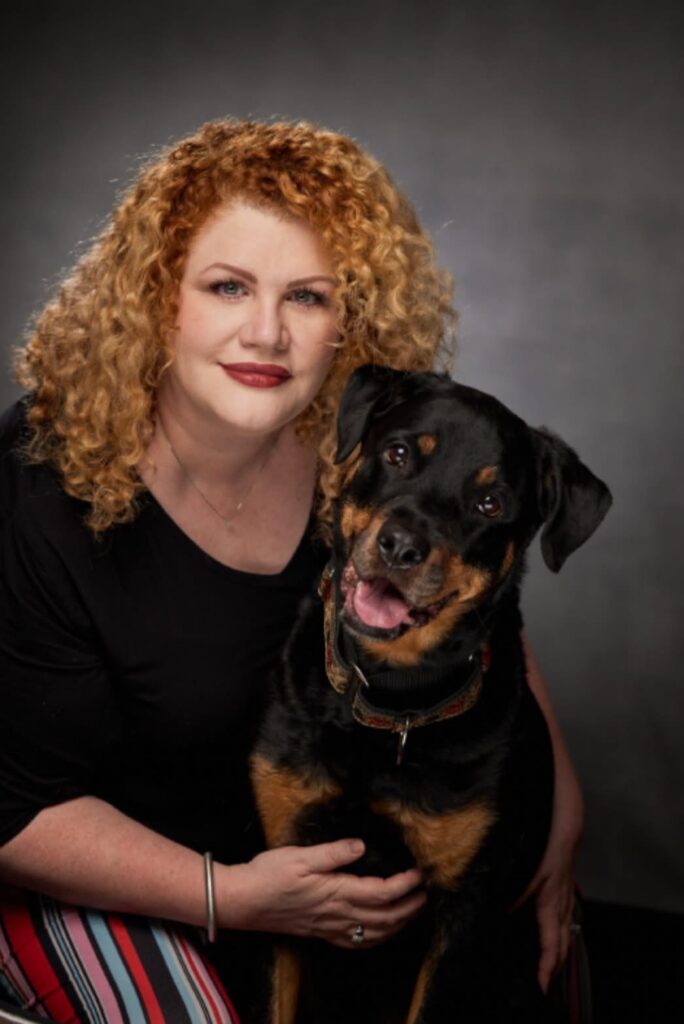
Last year, I found myself standing in my front yard wearing pajamas that were never meant for public viewing. Not “running errands” pajamas. Not “cute athleisure-adjacent” pajamas. I’m talking full, unapologetic, fresh-from-bed, elastic-waist, no-makeup, hair-doing-its-own-thing pajamas. Why?
Because our 10-year-old Rottweiler, Philomena, went full Shawshank Redemption.
Somewhere between taking out the trash and mowing the lawn, our back gate was left slightly ajar. And in that tiny sliver of opportunity, my sweet, normally dignified girl decided she was starring in her own action film. One moment she was in the backyard. The next moment, she was… gone. I didn’t stop to change. I didn’t stop to contain my hair. I didn’t even stop to grab proper shoes. I bolted into the front yard in full pajama glory, scanning the street like a suburban search-and-rescue operation of one.
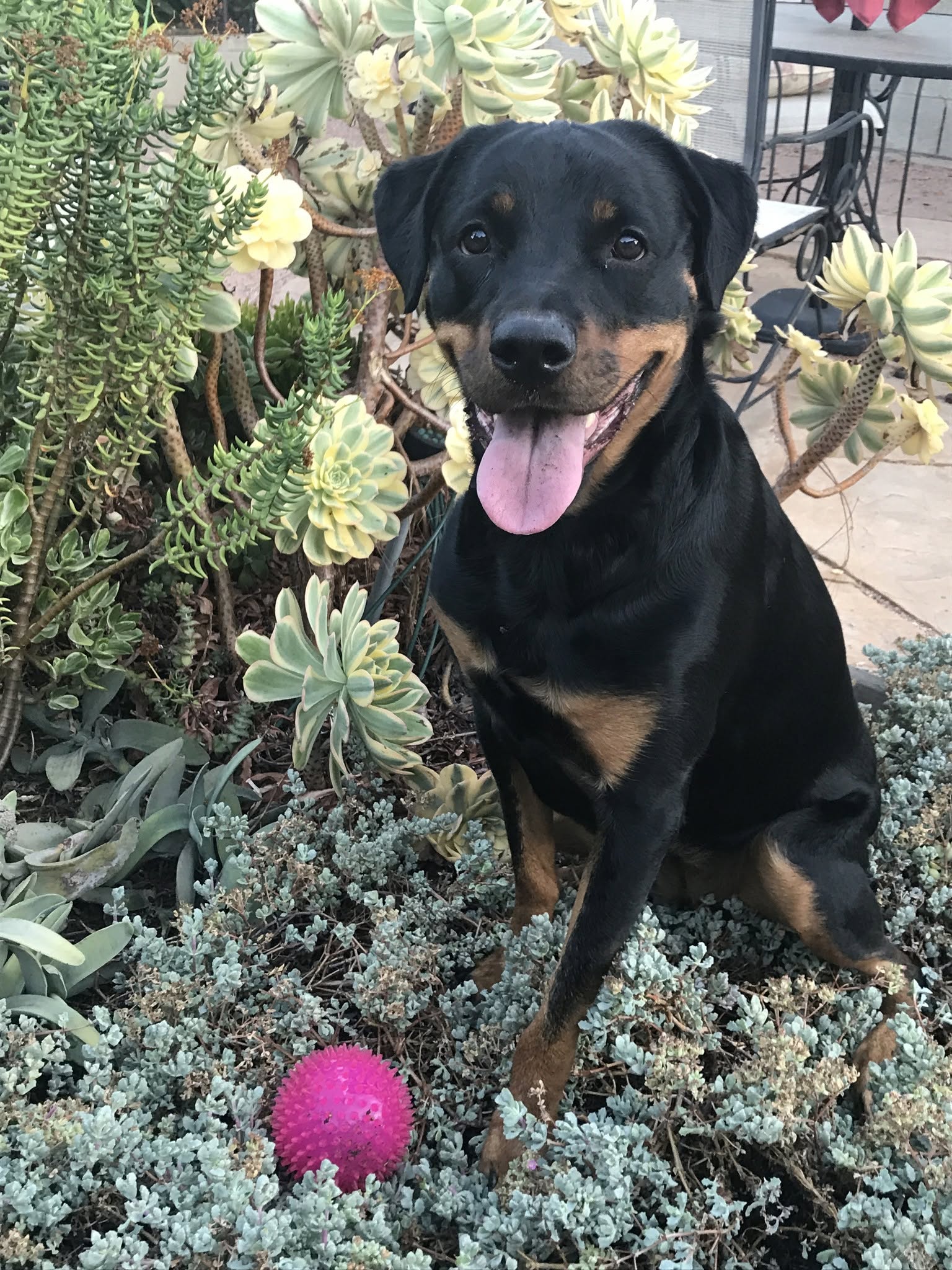
And there she was. Standing peacefully in our front yard flower bed.
Philomena had quite literally stopped to smell the flowers. While I, on the other hand, was having a full cardiovascular event. Now, logically, I knew she was wearing an ID tag. I knew she was registered. I knew she was microchipped. I could probably have recited her chip number under duress. And yet.
The moment I realized she was missing, that cold rush of fear grabbed me by the throat. My heart raced. My brain jumped immediately to worst-case scenarios. My anxiety skyrocketed from zero to catastrophic in seconds. Because when it’s your dog, logic disappears and emotion takes over.
And here’s the thing. In that moment, I wasn’t an animal welfare professional. I wasn’t thinking about systems. I wasn’t thinking about operational metrics. I was just a pet owner. And like every pet owner whose heart drops into their stomach when they realize their dog is missing, I needed one thing:
Reunification. Fast.
That split-second panic is what thousands of families experience every single day when a door is left open, a gate doesn’t latch, or a leash slips from a hand. Some pets make it home within minutes. Some don’t.
And that’s where leadership comes in. Because while pet owners experience the panic, shelters experience the operational impact. When reunification is delayed, intake rises. When intake rises, capacity shrinks. When capacity shrinks, everything feels harder. That’s why Return to Home is not just a front-line function.
It’s a leadership strategy.
Capacity for Care Starts Before Intake
At The Association for Animal Welfare Advancement, we are seeing something very clearly across many organizations: Return to Home is no longer just an operational tactic. It is a strategic lever for protecting Capacity for Care. Capacity for Care is not only about how we manage animals once they arrive. It is about reducing unnecessary intake wherever possible.
You’ve probably heard it said before, but it’s worth repeating. Every pet reunited represents one less kennel occupied, one less intake processed, one less animal experiencing shelter stress, and one more family kept whole.
When reunification happens efficiently — ideally without the animal ever entering the shelter population — organizations preserve space, staff energy, and operational flexibility.
The Cost of Fragmented Systems
Many organizations are working within systems that don’t fully align. That might mean multiple microchip registries, disconnected licensing databases, outdated contact information and manual, duplicative workflows. When systems don’t coordinate, the operational strain falls on shelter teams. When they do coordinate, leaders regain control of their capacity.
Across the field, organizations that prioritize coordinated reunification consistently report:
• Faster identification of lost pets
• Shorter time-to-reunion
• Lower daily population counts
• Reduced length of stay
• Improved staff efficiency
Reducing unnecessary intake lowers disease risk, minimizes behavioral deterioration, and creates breathing room for teams — especially during seasonal surges. And perhaps most importantly, it strengthens community trust.
Behind Every Metric Is a Family
Here’s a story with the kind of outcome everyone in the field wants:
Zoey bolted out the door when her owner stepped into his garage workshop. After searching on foot and by car, he received a call from DocuPet that Zoey had been found. He was given the name and phone number of the finder, called them immediately, and went to bring her home. That call from DocuPet meant relief. No prolonged separation, unnecessary shelter intake, or added stress for Zoey.
Behind every Return to Home metric is a family waiting for that phone call. Ideally, that phone call comes from a source like DocuPet rather than an over-burdened shelter.
Why This Matters for Shelter Leaders
At The Association, we believe that Return to Home must be elevated as a primary outcome metric — not treated as a secondary intake function. For shelter leaders, this means:
- Measuring and discussing Return to Home at the strategic level
- Investing in coordinated, data-informed reunification systems
- Breaking down silos between field services, licensing, and shelter operations
- Reducing friction in workflows that delay reunification
When Return to Home is strong, organizations are finding that intake pressure stabilizes, staff wellbeing improves, community trust deepens, and Capacity for Care becomes proactive rather than reactive.
In the end, effective Return to Home is not simply about reuniting pets. It is about building sustainable systems that serve animals, families, and staff alike. The question for shelter leaders is not whether Return to Home works. The question we urge you to ask yourself—are you leading with it?

About Katherine M. Shenar
Katherine McGowan Shenar, CAWA, serves as the executive vice president for The Association for Animal Welfare Advancement, and brings experience in leadership development, organization culture, coalition building, marketing communications, fundraising, and emerging trends in animal welfare.
Katherine began her career working in the media and transitioned to an advertising agency before realizing her animal welfare calling. Her advocacy work started in 1996, when she led the public relations and marketing department for the Humane Society of Missouri. She has served as the executive director for the Animal Protective Association of Missouri, the animal welfare issues consultant for The Humane Society of the United States, president and CEO of Asheville Humane Society, and executive vice president for San Diego Humane Society. She is the author of the book Coalition Building for Animal Care Organizations, a how-to guide for animal advocates to work collaboratively in communities, and has written numerous articles for Animal Sheltering magazine. Katherine holds a Masters of Arts in media communications and served as an adjunct professor for the School of Communications at Webster University.
Leave a Reply
Search The Association Blog
Contribute to The Blog

I really appreciate the shift from viewing Return to Home as an operational function to recognizing it as a leadership strategy. Every pet reunited with his or her family before entering the shelter preserves capacity for animals who truly need it. It’s one of the few strategies that benefits pets, families, staff, and the organization all at once.
Thank you for sharing your perspective on this, Cathy. For so many years, shelters haven’t had the resources or focus to spend on lost/found animals. Here’s hoping that new technologies like real-time tracking, facial recognition apps, and neighborhood alerts make it easier for everyone to help prevent shelter intake.
This scenario is so true. I was also that pet owner frantically standing in my pjs in the middle of the road when my gate blew open. Thankfully my dog went next door and came right to me when I called her name. I was wondering if there was somewhere to obtain a copy of the book Coalition Building for Animal Care Organizations. I’ve checked Amazon and Ebay and could not locate a copy. I would love to read it and share it with my team.
Hi Amy, thank you for sharing your personal experience wearing pjs in the middle of the road. I think we’re in good company with many of our friends and colleagues. The book published in 2009 under Humane Society Press and was available on Amazon for several years. It looks like their inventory is depleted. I can mail you a copy if you’d like to receive one. Please let me know. https://www.amazon.com/Coalition-Building-Animal-Care-Organizations-Katherine/dp/1934785024?ref_=ast_author_mpb